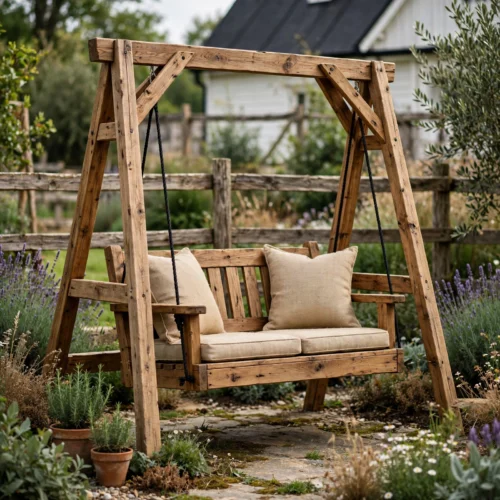
When hospitality buyers and wholesalers source outdoor furniture, the first real decision is rarely about the design — it is about the frame material. Teak and aluminum are the two most common choices for commercial outdoor furniture, and each wins in different situations. This guide compares them on the factors that matter for hotels, resorts, restaurants, and distributors: durability, maintenance, weight, looks, and cost.
Quick Answer: There Is No Single Winner
- Choose solid teak when you want a premium, natural look with long-term outdoor performance and minimal coating maintenance.
- Choose powder-coated aluminum when you want lightweight, rust-proof furniture in modern designs at a friendlier price point.
Many projects use both: teak for signature pieces like dining sets and conversation sofas, aluminum for pool decks, rooftop terraces, and areas where staff rearrange furniture often.
1. Durability and Weather Resistance
Solid Teak
Teak is one of the few woods that performs outdoors without a protective coating. Its natural oils and dense grain resist moisture, sun, and insects, so it survives years of rain and heat with its structure intact. Left untreated, teak gradually weathers from golden brown to an even silver-grey — a look many resorts and high-end villas deliberately keep.
Because teak does not rely on a coating to survive, there is nothing to peel, crack, or chip. Scratches and small marks can usually be sanded out, which is practical in high-traffic commercial settings where furniture gets daily use.
Powder-Coated Aluminum
Aluminum does not rust, which makes it a strong candidate for any outdoor environment, including coastal and poolside areas. A quality powder-coating adds a hard, even color layer that resists fading and stands up to regular cleaning.
The main thing to check is the quality of the coating and the welds. Well-made aluminum frames with smooth, consistent powder-coating perform reliably for years in commercial use; poorly coated frames can chip at corners and edges, exposing the metal underneath. When ordering, ask the supplier about their coating process and how it performs in salty or humid conditions.
Verdict: Both materials are excellent outdoors. Teak wins on natural, coating-free longevity; aluminum wins on rust immunity and consistent color retention.
2. Maintenance
Solid Teak
Teak maintenance is simple: wash it occasionally with mild soap and water. If you like the original golden color, apply a teak protector periodically; if you prefer the weathered grey look, do nothing at all. There is no paint to touch up and no coating to reapply, which keeps long-term upkeep costs low for large properties.
Powder-Coated Aluminum
Aluminum is the easiest frame material to maintain day to day — a quick wipe-down keeps it clean. The coating itself needs no maintenance unless it chips. For commercial properties, the practical routine is to inspect frames periodically and touch up any chips promptly so the finish stays even.
Cushions are the part that needs attention on both materials, not the frames. For any commercial outdoor furniture, specify quick-dry foam with removable, washable covers — our sofás para área externa use quick-dry foam with solution-dyed, UV-resistant, water-repellent covers designed for year-round outdoor use.
Verdict: Teak is lower-maintenance over the long term; aluminum is the easiest to keep clean week to week.
3. Weight and Practical Handling
Solid Teak
Teak is dense and heavy. That weight is an advantage in exposed locations — heavy dining sets and sofas stay put in wind and do not shift when guests sit down. The trade-off is that moving teak furniture requires effort, so it suits fixed layouts rather than areas that get rearranged often.
Powder-Coated Aluminum
Aluminum is light and easy to move, which is why it dominates poolside, rooftop, and café layouts where staff reconfigure seating daily or stack and store furniture off-season. Our aluminum-frame designs — including the aluminum loungers and aluminum-frame sectional sofas in our outdoor sofa collection — are built to stay light without feeling flimsy.
Verdict: Teak for fixed, wind-exposed layouts; aluminum for flexible, staff-handled spaces.
4. Look and Design Flexibility
Solid Teak
Teak brings a warm, natural character that synthetic materials cannot copy. It suits luxury resorts, villa terraces, garden restaurants, and any project selling a premium, organic aesthetic. Teak pairs well with woven rope and light cushions for a relaxed resort look — a combination we use across our teak collections.
Powder-Coated Aluminum
Aluminum frames can be formed into slimmer, more modern profiles than solid wood, and powder-coating is available in a wide range of colors. That makes aluminum the natural choice for contemporary projects: minimalist hotel terraces, design-led cafés, and properties with a defined brand color palette.
Both materials mix well with other elements. Aluminum dining frames, for example, pair nicely with teak-effect aluminum or stone tops in our dining sets, giving you the teak look with aluminum’s weight and rust-proofing advantages.
Verdict: Teak for warm, natural luxury; aluminum for slim, modern, color-flexible design.
5. Cost and Value
Aluminum-frame furniture generally costs less than solid teak at comparable designs, which matters when furnishing a whole property or filling containers. For buyers outfitting hundreds of seats, aluminum stretches the budget further.
Teak costs more upfront but earns it back through longevity and perceived value. For high-end projects, the premium look of solid teak can justify higher room rates and stronger project bids. When buying in bulk, factory-direct pricing narrows the gap — always compare per-unit container pricing, not retail listings, before deciding.
Which One Should Your Project Use?
Solid teak is best for luxury resorts, villas and signature dining areas; it offers natural weather resistance with no coating needed, occasional-washing maintenance, heavy frames that stay put, a warm natural premium look, and a premium budget tier. Powder-coated aluminum is best for pool decks, rooftops, cafés and high-turnover layouts; it is rust-proof with color-stable coating, needs only wipe-downs with periodic coating inspection, is light and easy to rearrange, comes in slim modern color-flexible designs, and sits at a friendlier budget tier.
Buying Tips: Get the Best of Both
- Mix materials across zones. Many of our hospitality clients use teak for restaurant dining and entrance statement pieces, and aluminum for poolside and rooftop areas where lightness matters.
- Compare quotes at container level. Factory-direct MOQs and per-unit container pricing change the value equation — the gap between teak and aluminum narrows significantly at wholesale quantities.
- Ask about coating quality. For aluminum, coating thickness and edge coverage decide long-term appearance. For teak, ask whether the timber is kiln-dried and properly jointed.
- Plan cushions separately from frames. Cushion foam and covers wear faster than any frame material — confirm that replacements are available so you never have to replace whole sets.
Get a Factory Quote
We manufacture both solid teak and powder-coated aluminum outdoor furniture in our own Foshan factory — sofas, dining sets, sun loungers, and complete project packages, all made to order with flexible MOQs.
Message us on WhatsApp at +86 185 7650 6959 for catalogs, wholesale pricing, and material samples for your project.